Gut Health 101: Natural Supplements to Beat Bloating and Support Digestion
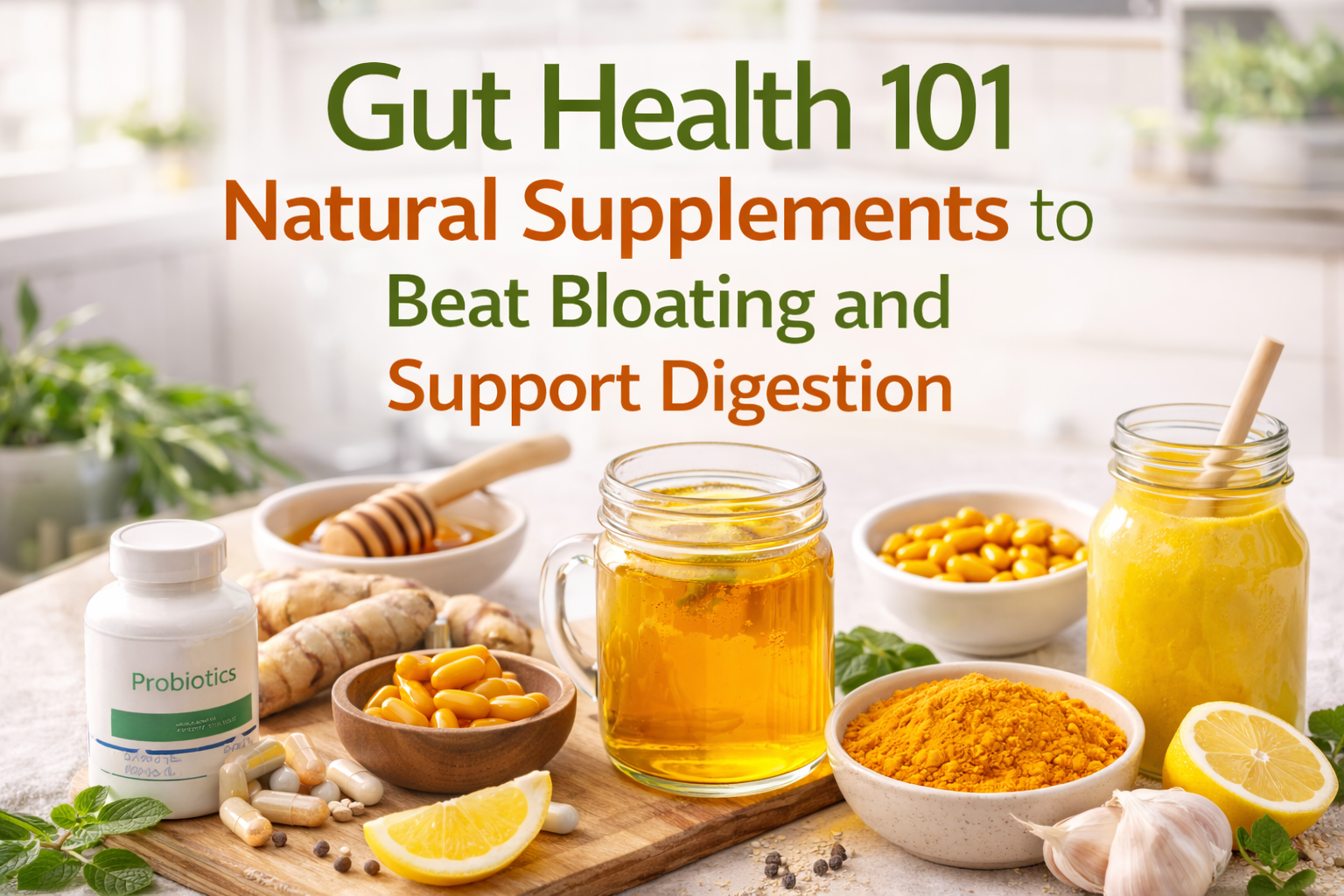
If your stomach often feels bloated, heavy, or uncomfortable, you’re not alone. Digestive issues affect millions of people daily — and many don’t realize just how important gut health is for overall wellness.
The good news? Natural supplements can help restore balance, improve digestion, and reduce bloating without relying on harsh medications.
In this guide, we’ll explore the top gut health supplements and how they can transform your digestion.

Why Gut Health Matters
Your gut isn’t just about digestion — it impacts:
● Immunity (70% of your immune system lives in the gut)
● Energy (nutrient absorption affects how you feel)
● Mood (the gut-brain connection regulates serotonin)
● Inflammation (imbalances can trigger whole-body effects)
When your gut is off-balance, symptoms like bloating, gas, irregularity, and fatigue often show up.

Top Natural Supplements for Gut Health
1. Probiotics
Probiotics are beneficial bacteria that restore balance in the gut microbiome. They help reduce bloating, improve regularity, and support immunity.

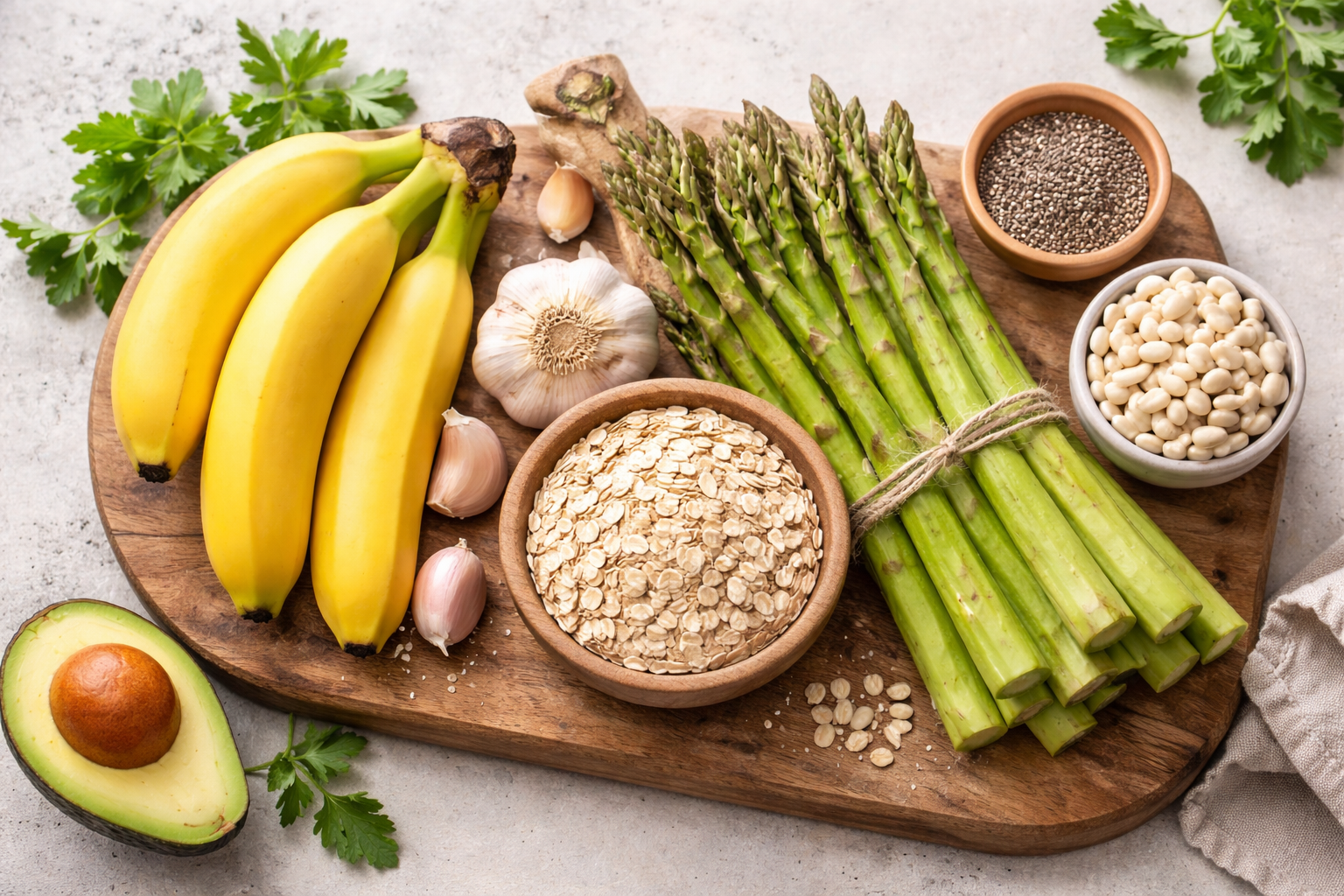
2. Prebiotics
Prebiotics are fibers that feed your good gut bacteria. Together with probiotics, they create a healthy environment for digestion.
3. Digestive Enzymes
Enzymes break down food so your body can absorb nutrients. If you feel heavy or sluggish after meals, enzyme supplements can ease bloating and improve digestion.

4. Fiber Supplements
Fiber keeps digestion moving smoothly and prevents constipation. Supplements like psyllium
husk or acacia fiber are especially helpful if your diet is low in whole foods.

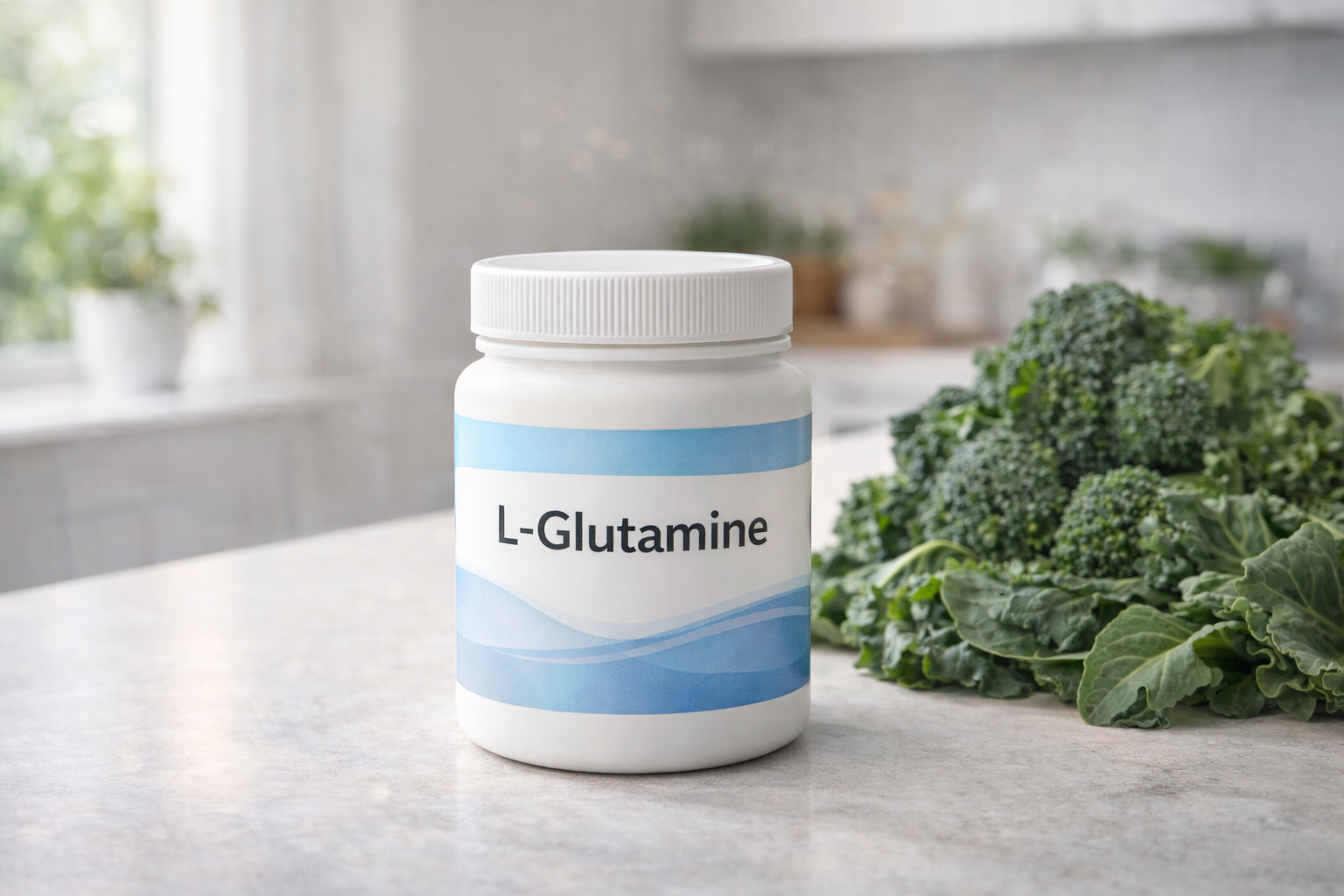
5. L-Glutamine
This amino acid supports the gut lining and helps reduce inflammation, especially in people with leaky gut or sensitive digestion.
Lifestyle Tips to Support Gut Health
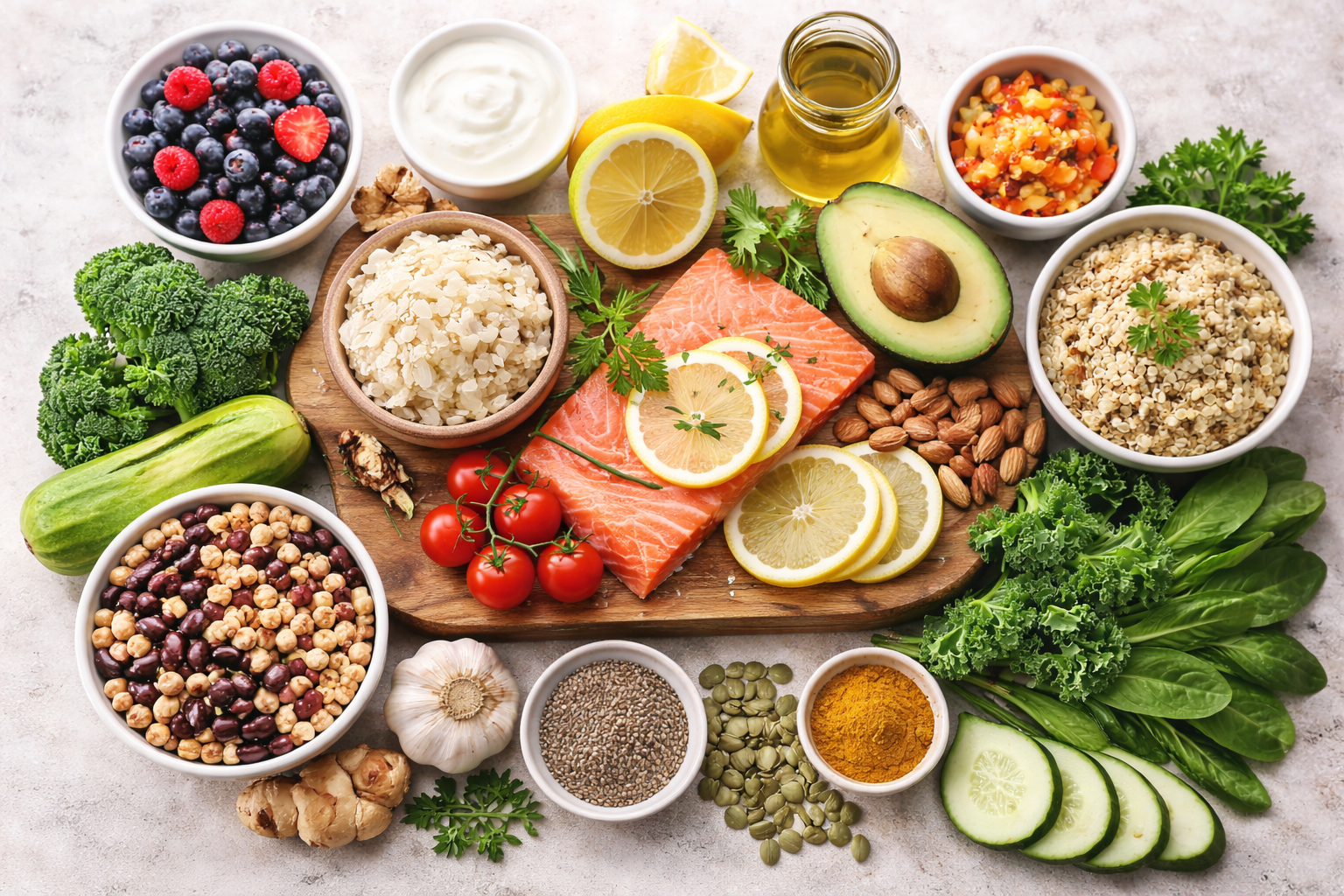
● Eat whole foods rich in fiber.
● Stay hydrated.
● Reduce processed foods and sugar.
● Manage stress (since it directly affects gut balance).
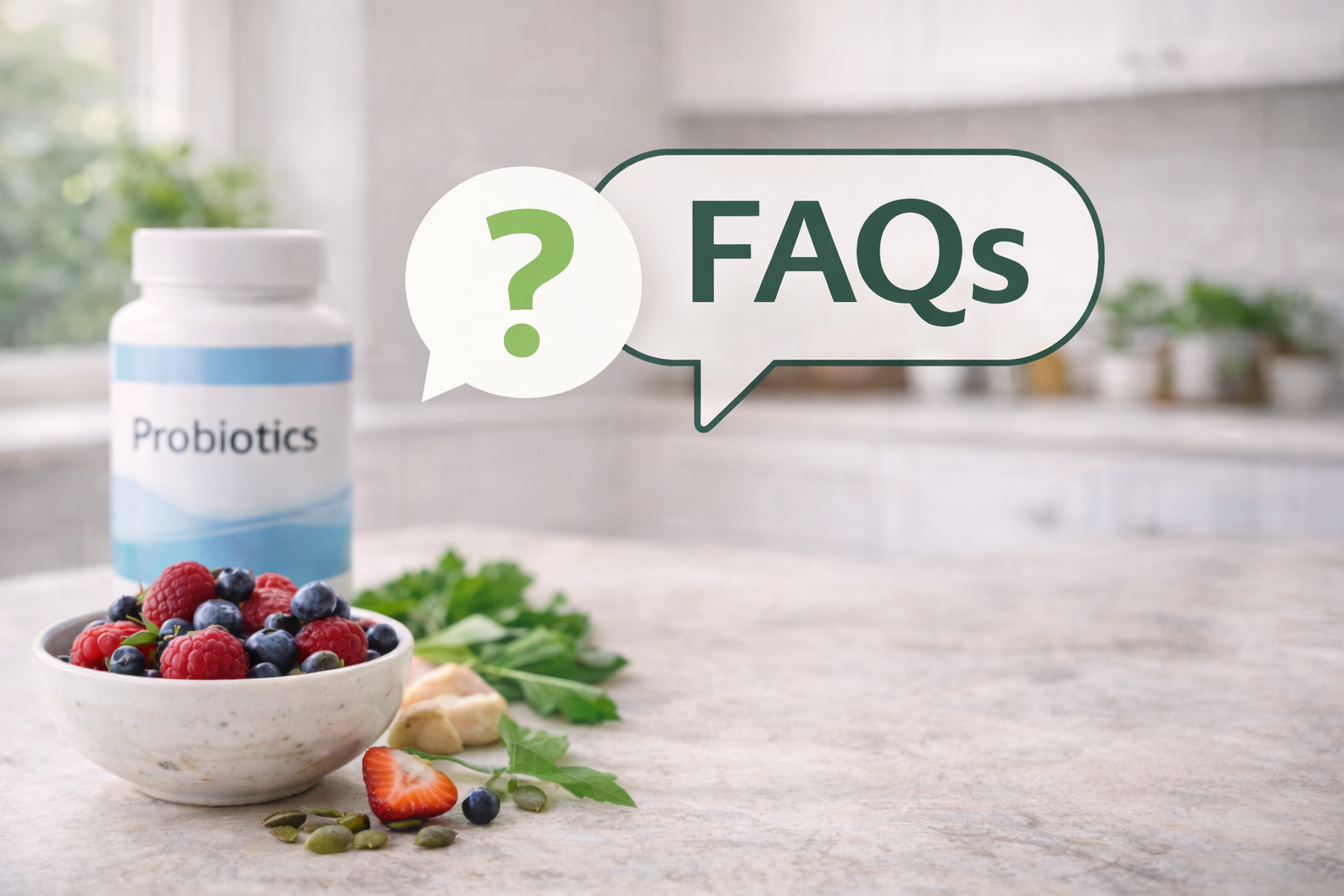
FAQs About Gut Health Supplements
Do probiotics work right away?
Some people notice less bloating in a few days, but full results often take 4–6 weeks.
Can I take probiotics and enzymes together?
Yes — they complement each other.
Do I need supplements if I eat healthy?
Not always, but supplements can fill gaps and speed up balance.
Conclusion
Gut health is the foundation of whole-body wellness. By adding the right supplements — from probiotics to fiber — you can reduce bloating, improve digestion, and feel better from the inside out.
Start with a high-quality probiotic and pair it with prebiotics and fiber for the best results.