Magnesium for Sleep: Why It Works and How to Use It

Tossing, turning, staring at the ceiling — poor sleep is one of the most common modern health struggles. In fact, over 1 in 3 adults don’t get enough rest.
One natural solution gaining attention? Magnesium. This essential mineral plays a vital role in relaxation, stress reduction, and deep sleep. But how does it work, and what’s the best way to use it?
Let’s explore how magnesium can help you finally get the restful nights you’ve been craving.

Why Sleep Matters More Than You Think
Sleep is when your body repairs itself, regulates hormones, and restores energy. Without quality rest, you’re more prone to:
● Fatigue and brain fog
● High stress and irritability
● Weakened immunity
● Weight gain and poor metabolism
How Magnesium Helps You Sleep
Magnesium is often called the “relaxation mineral” because of its calming effects on the nervous system.
Here’s how it works:
● Regulates GABA: Magnesium supports GABA, a neurotransmitter that helps your brain relax.
● Balances Cortisol: High stress = high cortisol. Magnesium helps bring it down.
● Relaxes Muscles: It eases tension and prevents nighttime cramps.
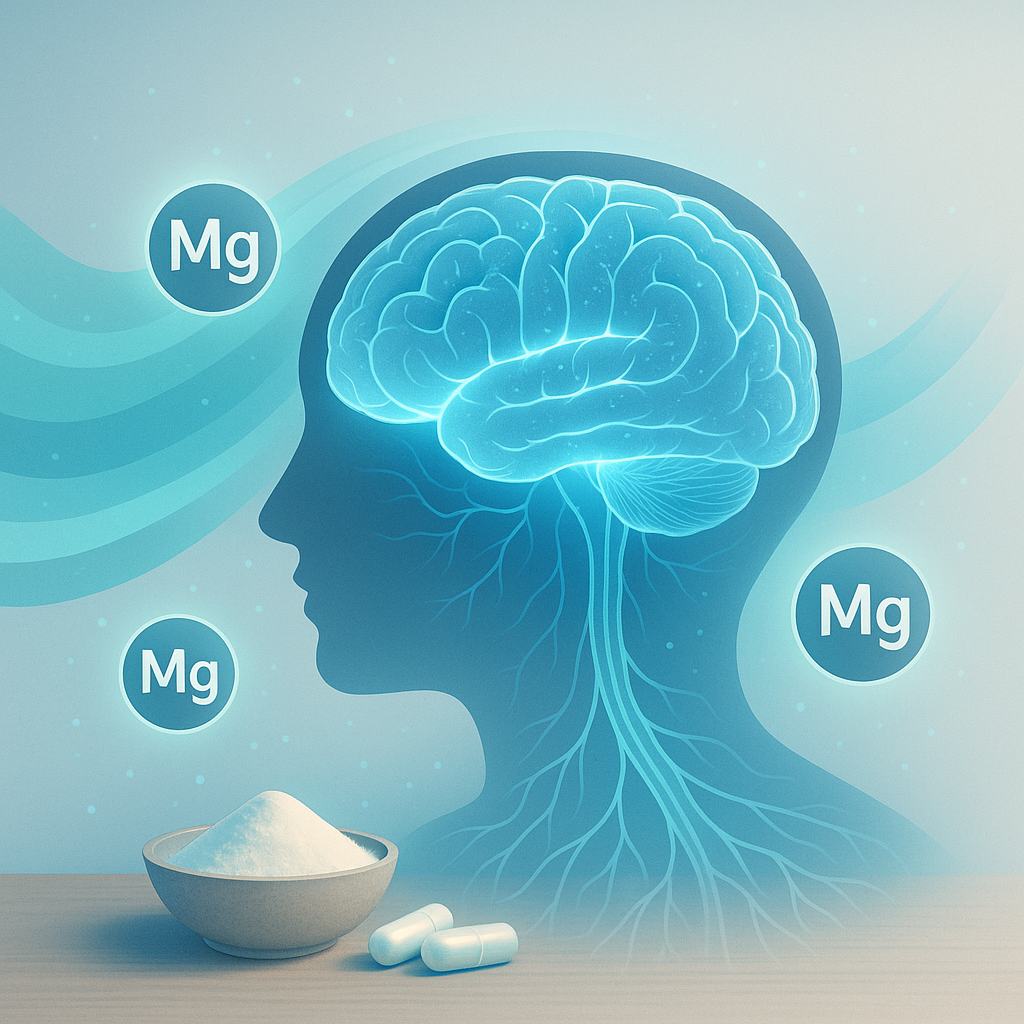
Best Types of Magnesium for Sleep
Not all magnesium supplements are created equal. Some forms are better absorbed and more effective for rest:
● Magnesium Glycinate – Highly absorbable, calming, gentle on the stomach.
● Magnesium Citrate – Good absorption, but may have a mild laxative effect.
● Magnesium Threonate – Crosses the blood-brain barrier, supports brain relaxation.

How to Use Magnesium for Sleep
● Dosage: 200–400 mg daily is typical for adults (always follow label instructions).
● Best Time to Take: 30–60 minutes before bed.
● Combine With: Herbal teas (chamomile, lemon balm) or calming routines for best effect.

Side Effects & Precautions
Magnesium is safe for most people, but too much can cause stomach upset.
● Start with a lower dose and work up.
● Avoid combining with multiple high-magnesium products at once.
● Consult a doctor if you have kidney issues or take medications.

FAQs About Magnesium and Sleep
How long does it take magnesium to work for sleep?
Most people notice improvements within a week, though some may feel results after the first night.
Can I take magnesium every night?
Yes — it’s safe for daily use when taken within recommended doses.
What foods are high in magnesium?
Leafy greens, nuts, seeds, avocados, and dark chocolate are excellent sources.

Conclusion
If sleep feels out of reach, magnesium may be the missing piece. By calming the nervous system, lowering stress, and relaxing the body, it sets the stage for deeper, more restorative rest.
For best results, choose a high-quality form like Magnesium Glycinate and make it part of your evening wind-down routine.
