The Benefits of Ashwagandha for Stress and Energy
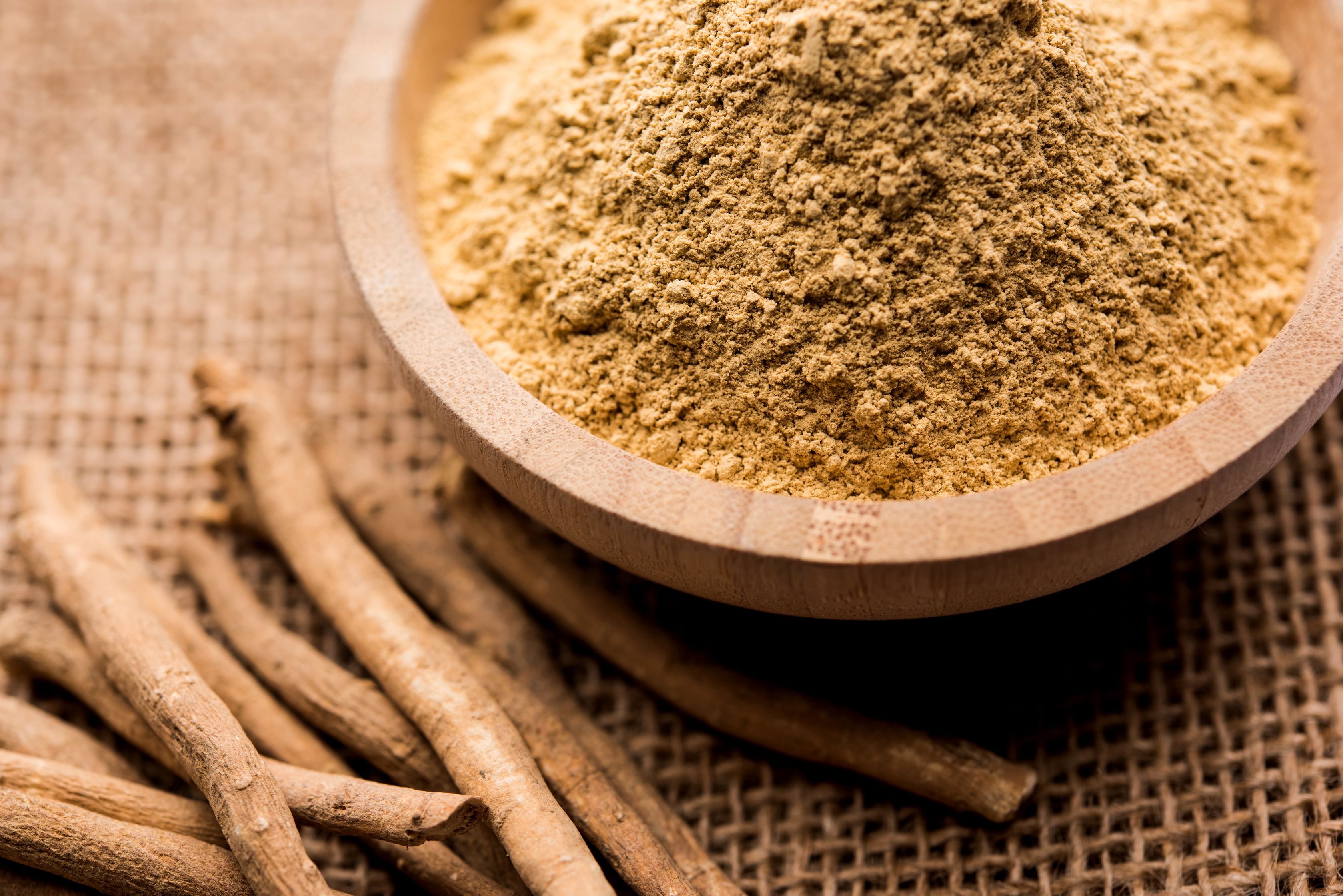
If your mornings begin with stress instead of calm, you’re not alone. Nearly 70% of adults report feeling overwhelmed by daily demands — and the constant pressure can leave you drained before the day even starts.
That’s where Ashwagandha, an ancient adaptogen from Ayurvedic medicine, steps in. Known for its ability to calm the mind, restore energy, and support balance, Ashwagandha has been used for centuries to help people handle life’s ups and downs.
In this article, we’ll explore what Ashwagandha is, the science behind it, its benefits, how to use it safely, and tips for getting the most out of this powerful herb.

What is Ashwagandha?
Ashwagandha (Withania somnifera) is a small shrub native to India, the Middle East, and parts of Africa. Its name comes from Sanskrit, meaning “smell of the horse,” a nod to the herb’s traditional reputation for imparting strength and vitality.
In Ayurvedic medicine, Ashwagandha has been prized for thousands of years as a Rasayana — a rejuvenating tonic that promotes longevity, energy, and resilience. Today, it’s one of the most widely researched adaptogens, used globally in supplements to help manage stress, improve mood, and support physical performance.
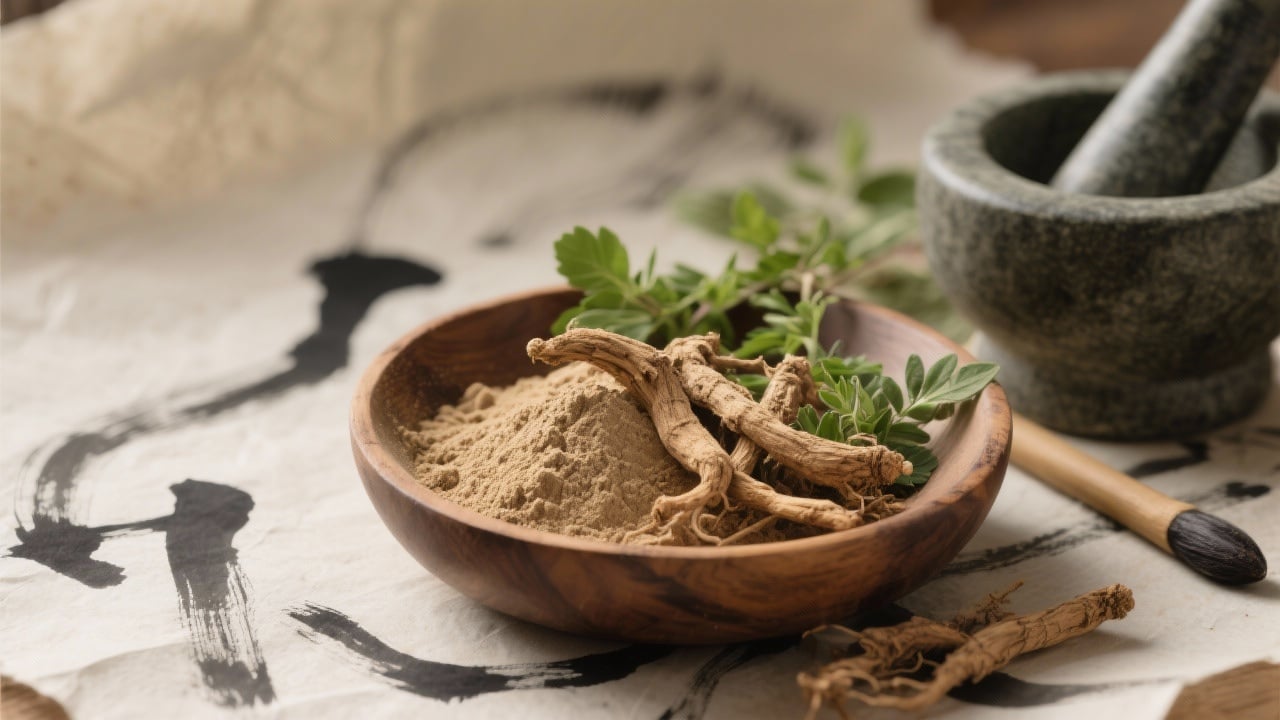
Key Benefits of Ashwagandha
Ashwagandha is most famous for its ability to lower stress. Studies show it reduces levels of cortisol — the “stress hormone” — helping you feel calmer and more centered during hectic days.

Boosting Energy & Focus
Unlike stimulants, Ashwagandha doesn’t cause a crash. Instead, it supports steady energy by balancing the body’s response to stress. Many users report improved mental clarity, focus, and sustained stamina.

Supporting Immunity
Research suggests Ashwagandha strengthens the immune system by reducing inflammation and increasing antioxidant activity. This helps the body stay resilient against everyday stressors.

Hormonal Balance
Ashwagandha may also support hormonal health, particularly in balancing thyroid function and improving reproductive wellness in both men and women.

How It Works (The Science)
Ashwagandha is classified as an adaptogen, meaning it helps the body adapt to stressors.
● Cortisol Regulation: Research shows Ashwagandha supplementation significantly lowers cortisol levels.
● Brain Support: Compounds called withanolides act as antioxidants in the brain, protecting nerve cells and supporting memory.
● Energy & Endurance: Animal studies suggest Ashwagandha increases mitochondrial energy production, which may explain its energizing effects.

How to Use Ashwagandha
● Dosage: Most studies use 300–600 mg per day of standardized root extract.
● Forms: Available in capsules, powders, tinctures, and teas. Capsules are most
convenient, while powders blend easily into smoothies.
● Best Time to Take: Morning for energy and focus, or evening for stress relief and better sleep — depending on your needs.

Side Effects & Precautions
Ashwagandha is generally safe for most people, but it’s not for everyone.
● Mild side effects: stomach upset, drowsiness, or headaches.
● Avoid if pregnant or breastfeeding unless cleared by a doctor.
● Check with your healthcare provider if you take thyroid medication, blood pressure drugs, or antidepressants.

Real-Life Tips & Takeaways
● Pair Ashwagandha with a healthy routine: proper sleep, exercise, and whole foods.
● Consider stacking with other calming supplements like magnesium or L-theanine for added stress relief.
● Track your results — some people notice benefits within a week, while others may need a month.

FAQs About Ashwagandha
Is Ashwagandha safe for long-term use?
Yes, studies suggest it’s safe for daily use up to 12 weeks, and traditional use spans centuries. Still, consult your doctor for long-term supplementation.
How long does it take to see results?
Most people notice stress reduction within 1–2 weeks. Energy and focus benefits may take up to a month of consistent use.
Can I take Ashwagandha with coffee?
Yes, though some people prefer taking it in the evening since it can promote relaxation. Experiment to see what works best for your body.
What’s the best form to take?
A standardized capsule extract (5–10% withanolides) offers the most consistent results, but powders are great if you enjoy mixing it into drinks.

Conclusion
Ashwagandha isn’t just an herb — it’s a proven adaptogen that helps balance the body, reduce stress, and boost steady energy.
Whether you’re looking to stay calm during stressful workdays, sharpen your focus, or simply support long-term wellness, Ashwagandha can be a powerful natural ally.
Ready to dive deeper into natural health solutions? Explore our other guides on adaptogens, vitamins, and holistic wellness tips to find what works best for you.