What Are Adaptogens? The Complete Beginner’s Guide
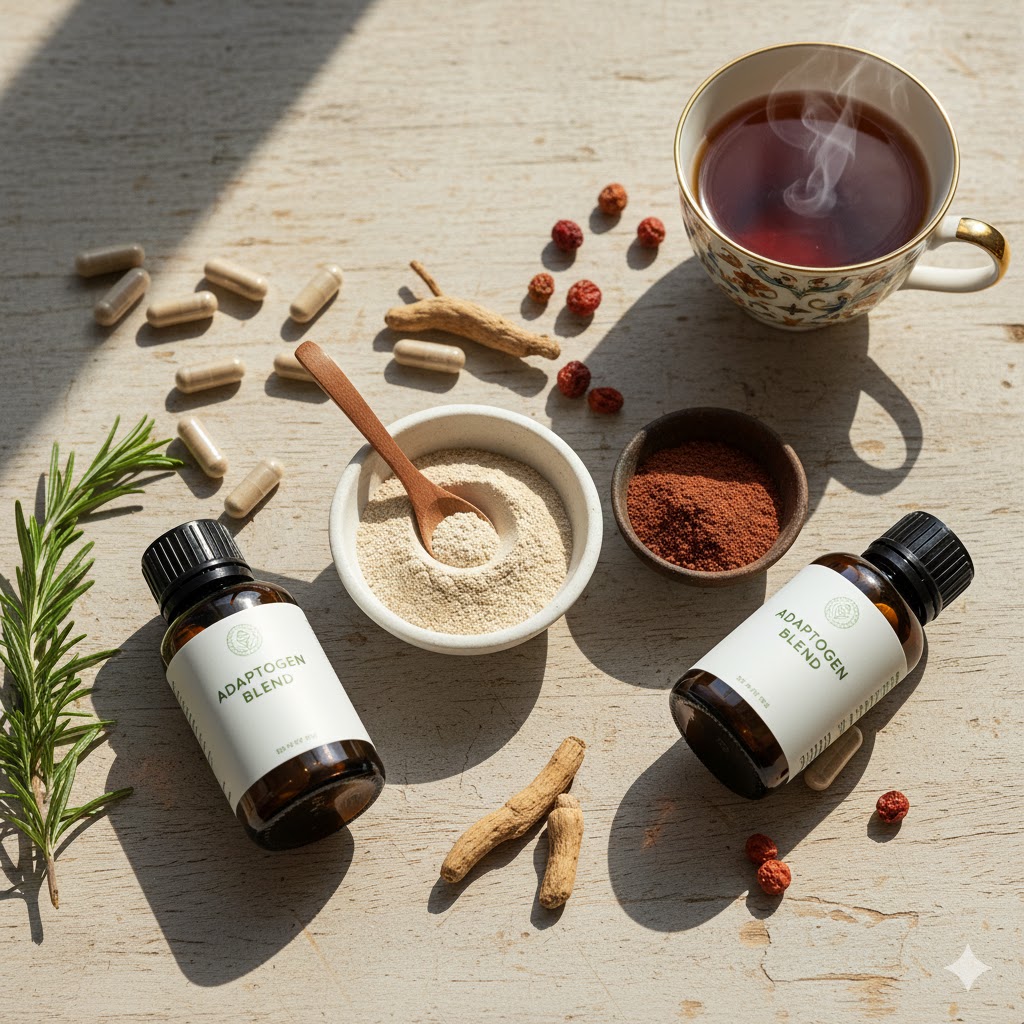
Stress. Fatigue. Brain fog. These are everyday struggles — but they don’t have to control your life. For centuries, cultures around the world have turned to adaptogens — natural herbs and plants that help the body adapt to stress and restore balance.
But what exactly are adaptogens, how do they work, and which ones are worth trying? In this guide, we’ll cover everything you need to know, plus the best adaptogens to start with.

What Are Adaptogens?
Adaptogens are a unique class of herbs and plants that help the body adapt to stress — whether physical, mental, or emotional. Instead of forcing one effect, they work by balancing your system, bringing you back to equilibrium.
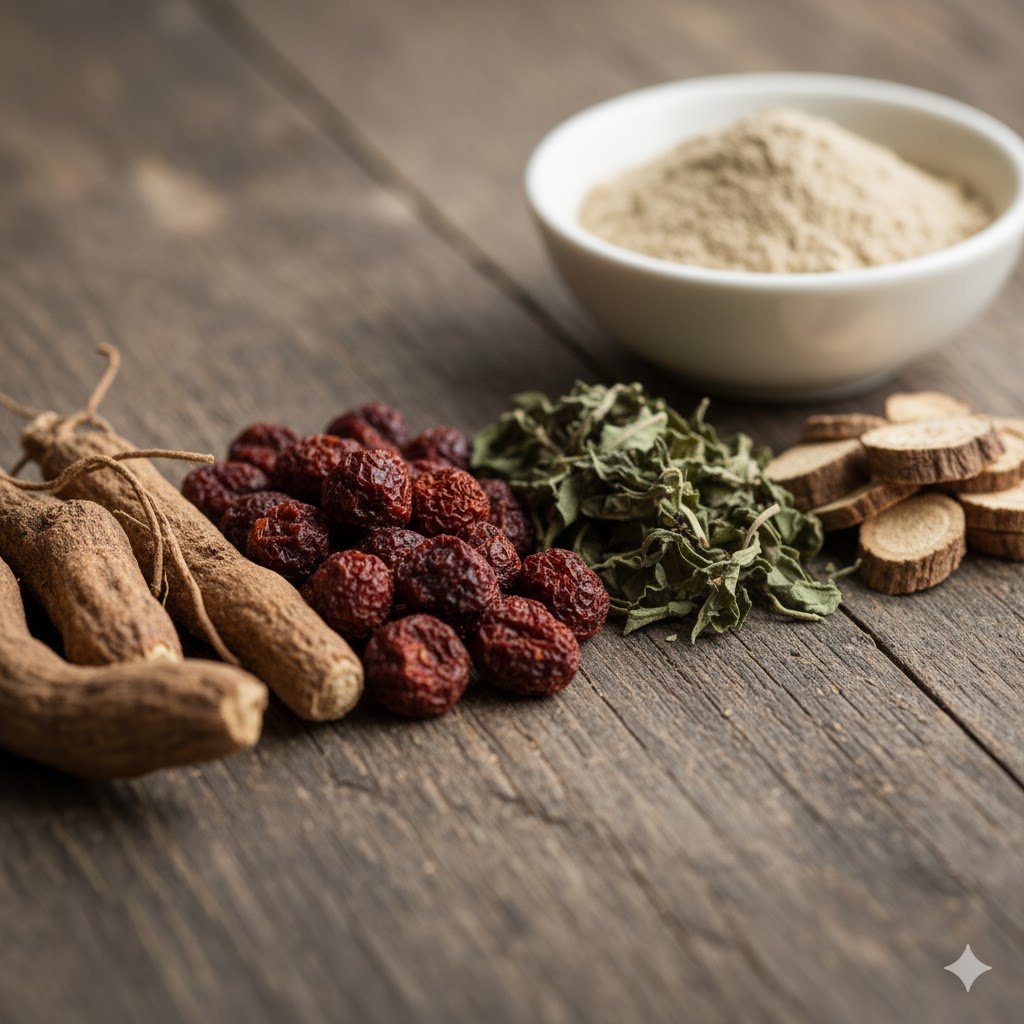
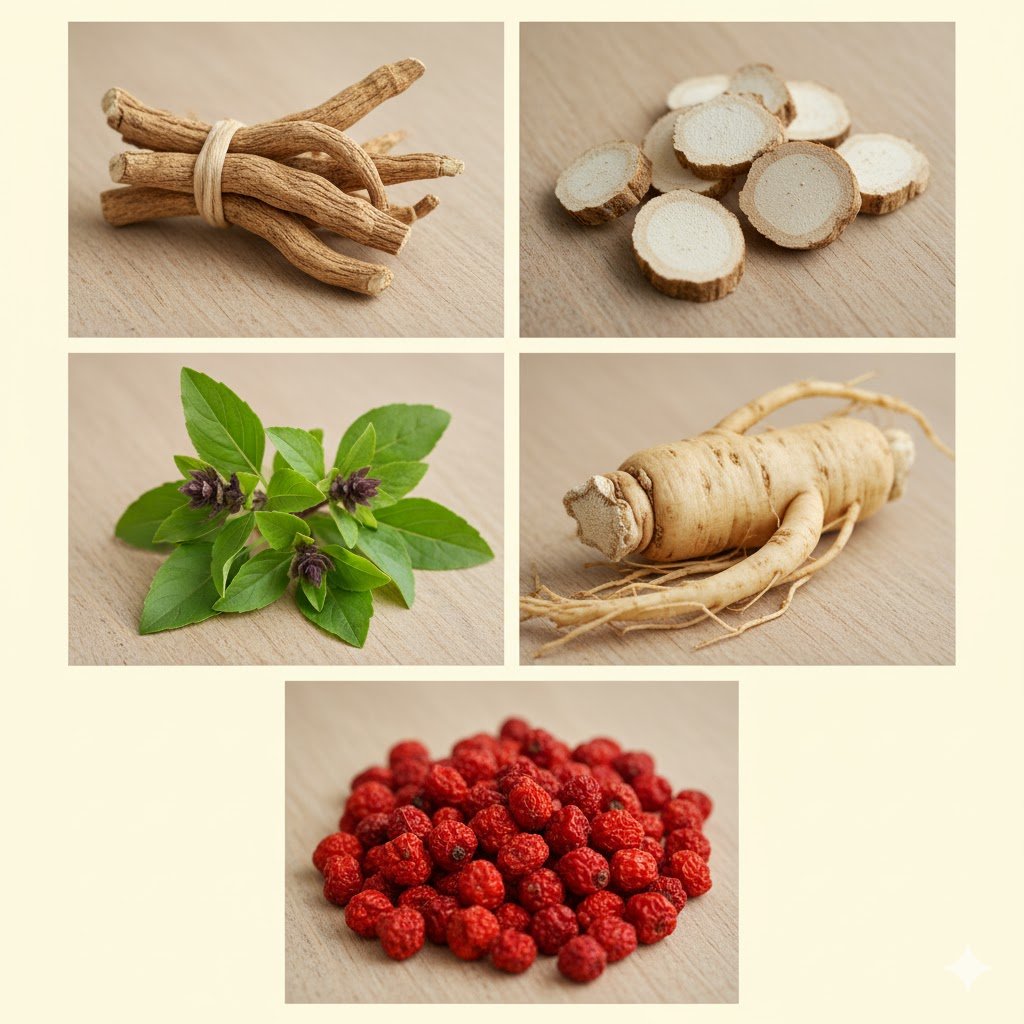
Examples of traditional adaptogens include:
● Ashwagandha
● Rhodiola Rosea
● Holy Basil (Tulsi)
● Ginseng
● Schisandra Berry
How Do Adaptogens Work?
Adaptogens support the hypothalamic-pituitary-adrenal (HPA) axis, which controls your stress response. When stress hormones like cortisol stay elevated, you feel tired, anxious, or
burned out.
Adaptogens help:
● Regulate cortisol levels
● Improve resilience to stress
● Support energy without overstimulation
● Balance mood and focus

Key Benefits of Adaptogens
1. Stress Relief & Calm
Adaptogens like Ashwagandha and Holy Basil reduce cortisol and support relaxation without drowsiness.

2. Steady Energy & Focus
Rhodiola and Ginseng are known for improving stamina, reducing fatigue, and sharpening focus.

3. Immune & Hormonal Support
Some adaptogens (like Schisandra and Astragalus) boost immune function and balance hormones, supporting long-term health.

Best Adaptogens to Try
Ashwagandha
● Reduces stress & anxiety
● Supports sleep & energy balance
Rhodiola Rosea
● Increases endurance & focus
● Great for mental and physical fatigue
Holy Basil (Tulsi)
● Calms the nervous system
● Supports immunity and emotional balance
Ginseng
● Boosts energy and stamina
● Traditionally used for vitality and recovery
Schisandra Berry
● Antioxidant-rich
● Supports liver, skin, and energy
How to Use Adaptogens
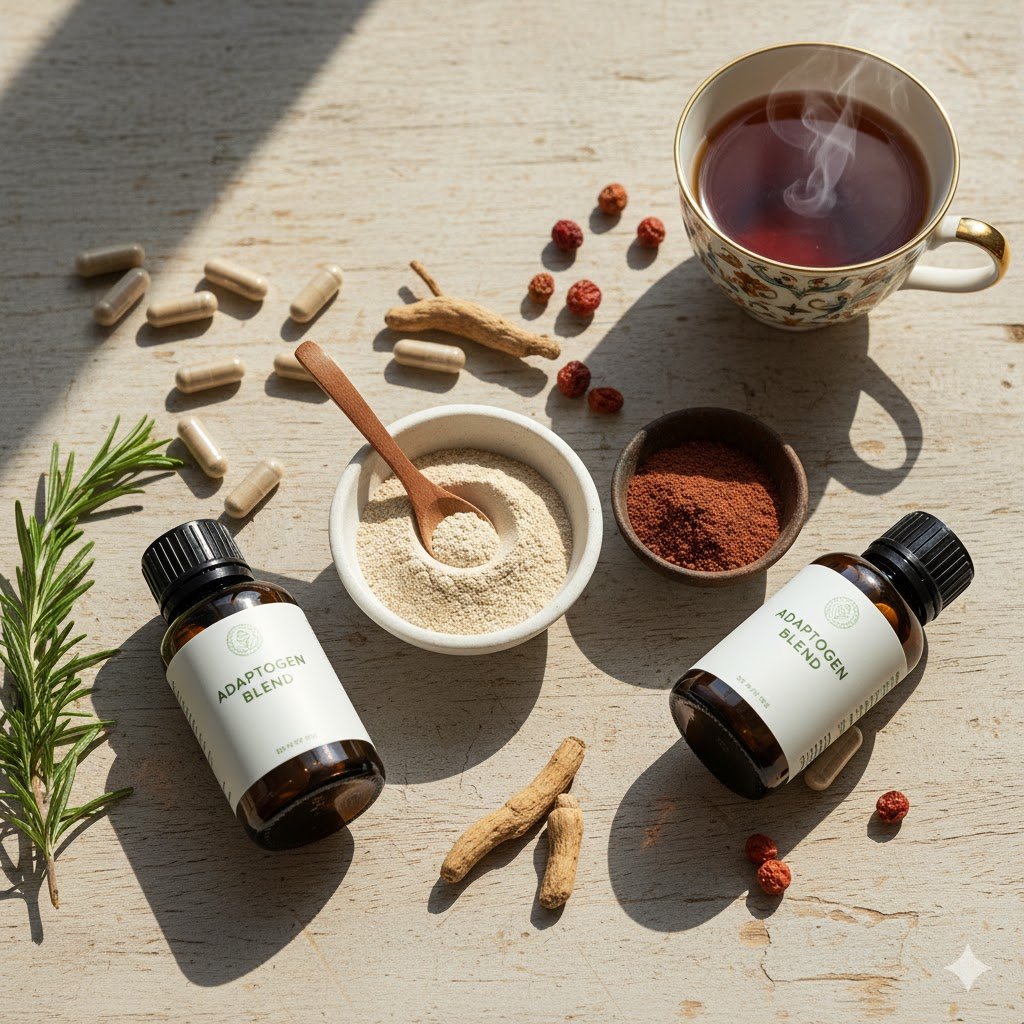
● Forms: Capsules, powders, teas, tinctures.
● Dosage: Varies by herb — most safe within 300–600 mg daily.
● Timing: Morning for energy adaptogens (Rhodiola, Ginseng); evening for calming ones (Ashwagandha, Holy Basil).
Side Effects & Safety
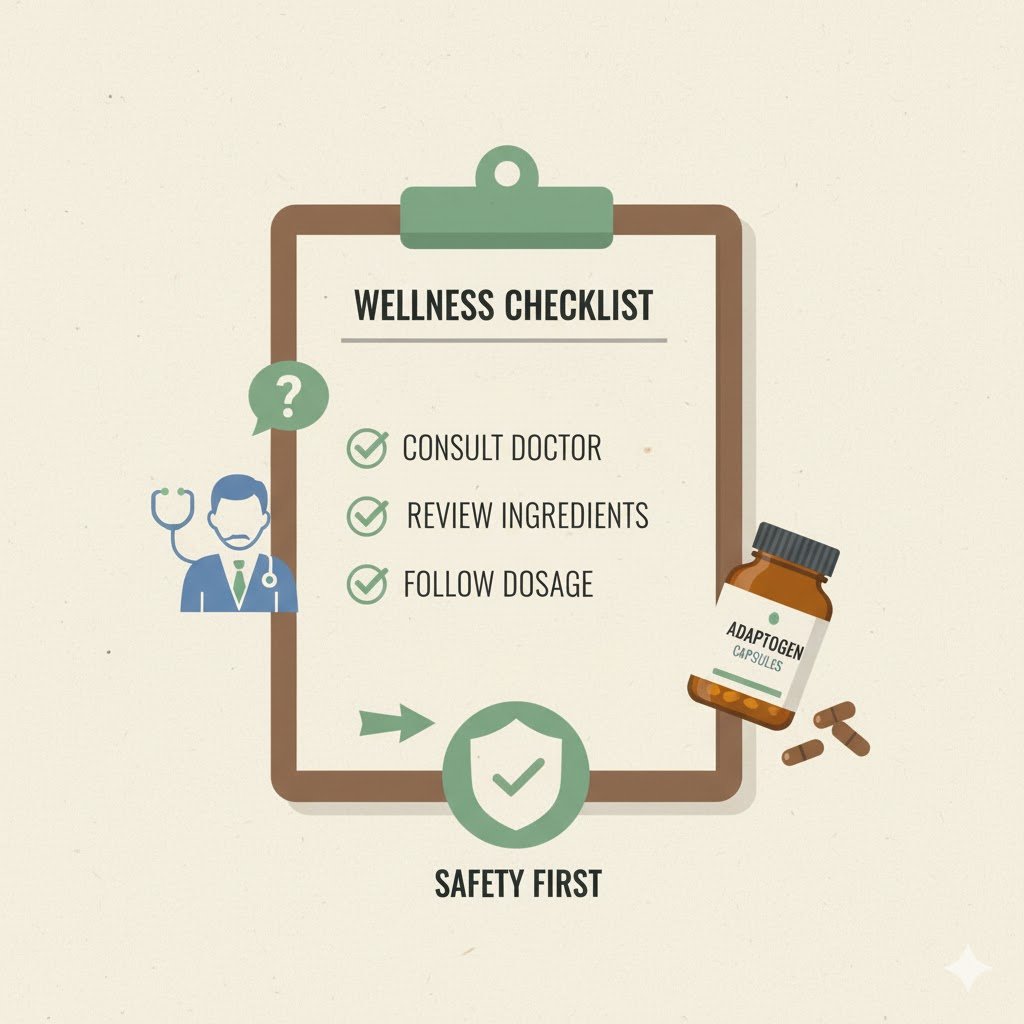
Adaptogens are generally safe, but:
● Some may interact with medications.
● Pregnant/breastfeeding women should consult a doctor.
● Start low and monitor your body’s response.
FAQs About Adaptogens
How long does it take for adaptogens to work?
Most people notice benefits within 2–4 weeks of consistent use.
Can I take more than one adaptogen at once?
Yes, many supplements combine them — just start slow to see how your body responds.
Are adaptogens safe for daily use?
Yes, most adaptogens are safe when taken at recommended doses.
Conclusion
Adaptogens aren’t a quick fix — they’re a steady, natural way to build resilience, reduce stress, and restore balance.
If you’re ready to feel calmer, more energized, and better equipped to handle daily challenges, adding an adaptogen to your wellness routine may be the shift your body needs.
Want to try them out? Start with [Ashwagandha] or [Rhodiola Rosea] — two of the most trusted and well-researched adaptogens.