Why Your Healthy Habits Stop Working (And How to Adjust Without Starting Over)
There’s a moment that shows up in almost every health journey.
You’re not living off junk anymore. You’re more intentional with food. You’ve built routines that once felt like progress.
But suddenly, things feel… off.
Energy becomes inconsistent. Cravings show up unexpectedly. Digestion feels unpredictable. Sleep doesn’t restore you like it used to.
What makes this phase so frustrating is that nothing obvious changed. You didn’t stop trying. You didn’t quit. And yet, what used to work no longer does.
That moment convinces many people they need more discipline.
Most of the time, that’s the wrong conclusion.

Why This Feels Personal (But Isn’t)
When progress stalls, the mind turns inward:
“I must not be consistent enough.” “I probably messed something up.” “Other people can do this — why can’t I?”
But biology doesn’t operate on moral rules.
Your body doesn’t reward effort because you’re trying hard. It responds to signals — fuel, stress, recovery, and rhythm.
When those signals change, the response changes too.
Pushing harder at this stage usually backfires because you’re reacting emotionally to a biological mismatch.

The Real Reason Healthy Habits Stop Working
The truth is simple, but uncomfortable:
Your body changed — but your habits didn’t.
The body is an adaptive system. What worked during one season of life can quietly stop matching your needs in another.
That doesn’t mean the habit was bad. It means the fit is off.
Fatigue is feedback. Cravings are feedback. Digestive discomfort is feedback. Poor sleep is feedback.
Your body isn’t failing you — it’s communicating.
The 4 Most Common Reasons Habits Stall
In almost every case, the issue shows up in one (or more) of these areas.
1. Energy Availability Dropped (Without You Realizing)
This is the most common cause.
Energy isn’t just about eating “clean.” It’s about whether your body believes fuel is consistent and reliable.
Energy availability often drops when people:
- skip meals
- eat smaller portions under stress
- rely heavily on caffeine
- stay active while under-fueling
At first, adrenaline fills the gap. Later, the body compensates with cravings, fatigue, mood shifts, and poor sleep.
The habit didn’t fail — the context changed.

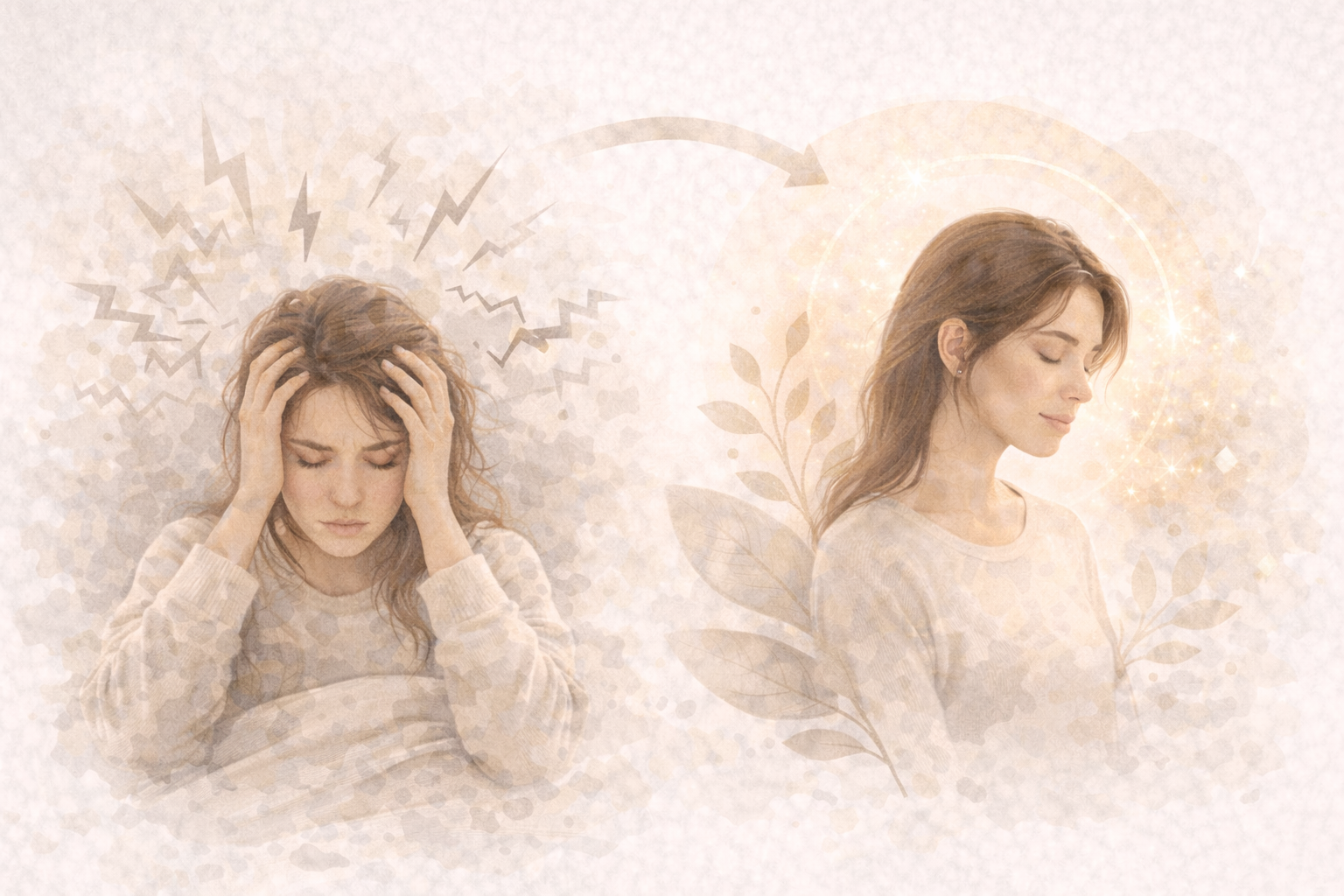
2. The Nervous System Is Carrying Too Much Load
You can eat perfectly and still feel off if your nervous system never gets a break.
Modern life constantly signals “stay alert”:
- screens
- notifications
- deadlines
- mental pressure
When the nervous system doesn’t feel safe, repair is deprioritized.
This can look like:
- wired-but-tired energy
- shallow sleep
- digestive issues during stress
- cravings when you finally slow down
No amount of nutrition overrides chronic overstimulation.
3. Digestion Became the Bottleneck
Digestion is extremely sensitive to stress and energy availability.
When either drops, digestion slows.
That’s why people suddenly notice:
- bloating from foods they used to tolerate
- heaviness after meals
- fatigue after eating
The issue usually isn’t the food — it’s capacity.
Cutting more foods or stacking supplements often makes things worse.
4. Recovery Stopped Matching Output
This shows up most in motivated people.
You keep training. You stay busy. You push through tiredness.
But recovery doesn’t scale with effort.
Eventually, the body protects itself by lowering energy and stalling progress.
That’s not laziness. That’s conservation.
What Not to Do When Habits Stop Working
When progress stalls, urgency takes over — and urgency drives bad decisions.
Mistake #1: Starting Over Completely
Restarting erases valuable feedback and increases pressure.
Mistake #2: Eating Less
Restriction lowers energy availability and worsens the problem.
Mistake #3: Training Harder
More intensity without recovery increases stress hormones.
Mistake #4: Adding More Solutions
More inputs create noise, not clarity.
Mistake #5: Making It Personal
Self-judgment increases stress — which further blocks progress.
How to Adjust Without Starting Over
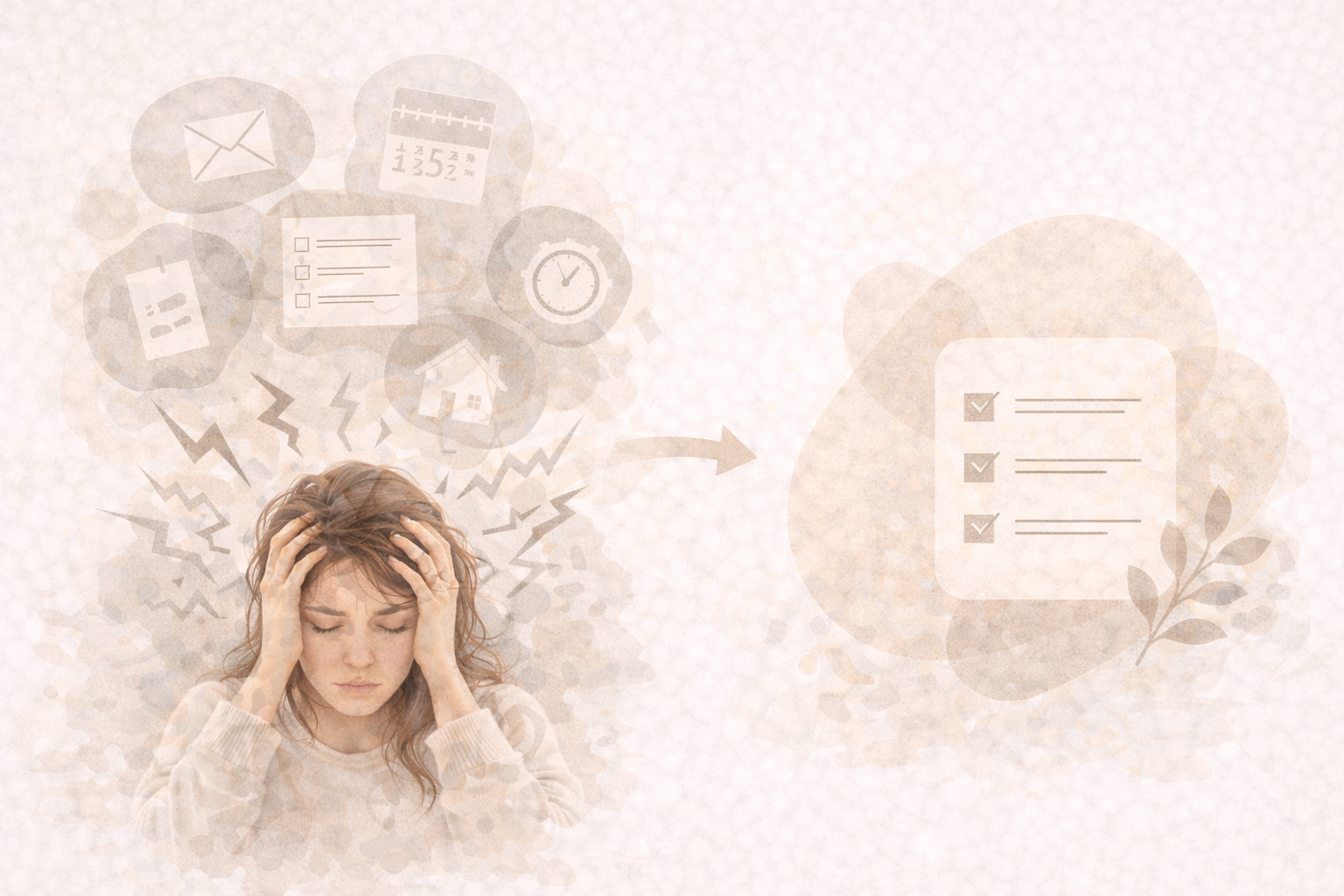
Adjustment works best when it’s targeted — not extreme.
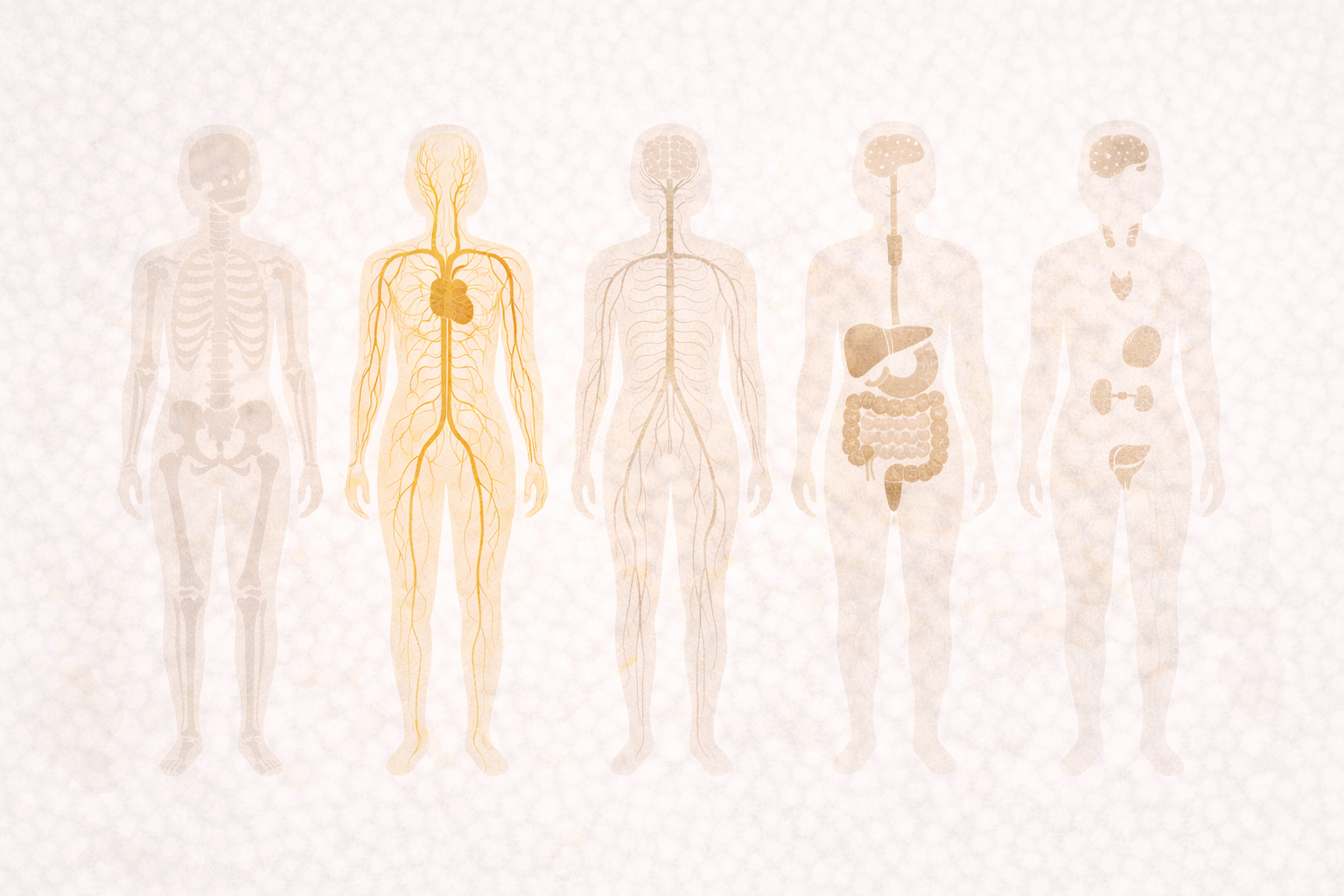
Step 1: Identify the Loudest System
Ask one question:
“Which system feels the loudest right now?”
Choose only one:
- energy
- digestion
- nervous system
- recovery
Trying to fix everything at once delays progress.
Step 2: Adjust the Smallest Lever First
Small changes work faster than big ones.
Examples:
- eat more consistently
- simplify meals
- reduce workout intensity temporarily
- create a nightly wind-down routine
You’re not changing who you are — you’re adjusting the dose.
Step 3: Give the Adjustment Time
Most adjustments need:
- a few days for energy
- several days for digestion
- one to two weeks for sleep or recovery
Changing daily prevents the body from settling.
Step 4: Look for Early Wins
Progress often shows up quietly:
- fewer crashes
- calmer digestion
- smoother evenings
- slightly better sleep
One improvement is enough.

A Simple Rule to Remember
Healthy habits are tools, not rules.
When a tool stops working, you don’t throw out the entire system — you adjust how you’re using it.
Gentle Support While You Recalibrate
When healthy habits stop working, the instinct is often to add more rules or intensity.
But during recalibration phases, simple and consistent support usually helps more than aggressive changes.
If you’re looking for something low-pressure that fits into a calmer routine, daily gummies can be an easy option—especially while your body is adjusting.
👉 Goli Gummies
- Easy to stay consistent with
- Support everyday balance without extremes
- No complicated schedules or stacking
They’re not meant to force progress—just to support your body while things settle and recalibrate.
Final Thought
If your healthy habits stopped working, it doesn’t mean you failed.
It means your body changed — and it’s asking for a different level of support.
Listening isn’t weakness. Adjusting isn’t quitting.
It’s how progress continues.